
Keywords
dramaturgy
evaluation
creative processes
pedagogical
process
How to Cite
Abstract
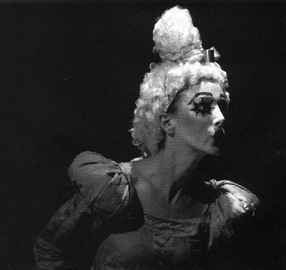
An actor on stage is always exposed to the gaze of others; they are read, interpreted, and evaluated. They are constantly subject to criticism. Through the actor—and their relationship with the languages of the stage—we can discern an underlying aesthetic and ideological stance. But what is criticism, and what is its function within theatrical practice? Focusing on the academic environment—specifically, a bachelor’s degree program in Theatre Arts where dramaturgy serves as a central, unifying thread—this article explores the role of criticism within both the creative and pedagogical processes.
References
LITWIN, Edith. 2000. La evaluación de los aprendizajes. http://www.isasa.edu.uy/index2.php?option=com_docman&task=docview&gid=7&Itemid=35 (Consultado noviembre 2010)
PAVIS, Patrice. (1998) 2008 Diccionario del teatro. Dramaturgia, estética, semiología. Buenos Aires, Paidós.
SILIUNAS, V. (1995), "La crítica, ¿arte o ciencia?", en Primer Acto, N° 258.
TRANCÓN, Santiago. 2004. Texto y representación: aproximación a una teoría crítica del teatro. Tesis de doctorado. Universidad Nacional a Distancia, Facultad de Filología,
Departamento de Teatro Contemporáneo. Madrid, 2004. http://www.uned.es/centro-investigacion-SELITEN @T/pdf/santiagoTrancon.pdf (Consultado noviembre 2010)
PASODEGATO. (Revista) México: marzo - abril de 2003 y enero - marzo de 2005. http://www.pasodegato.comlSitioPasodeGato/pasodegatoRevista.htm.

This work is licensed under a Creative Commons Attribution-NonCommercial-ShareAlike 4.0 International License.
Copyright (c) 2022 Papel Escena

Atribución - NoComercial - Compartir Igual:
Permite Compartir: copiar y redistribuir el material en cualquier medio o formato y Adaptar: remezclar, transformar y construir a partir del material, siempre y cuando se citen el autor y la fuente originales